
Key takeaways
- Buy new double-walled boxes in a few standard sizes so heavy items ship safely and stacks stay stable.
- Pack one room at a time, label the top and one side of every box, and keep a numbered inventory list.
- Wrap fragile items individually, fill empty space so nothing shifts, and carry valuables and documents yourself.
- The most common packing mistakes are overloading big boxes, under-cushioning dishes, and skipping labels.
The fastest way to protect your belongings on moving day is to pack them in strong boxes, cushion every gap so nothing shifts, and label each box clearly. Damage usually happens because items rattle around loose, boxes are overloaded, or fragile pieces go in without enough padding, and all three are avoidable with a bit of planning. Roughly 1 in 5 households report damage to their goods during a move, according to MyGoodMovers, so how you pack has real consequences for what survives the trip.
Below are 15 practical packing tips for moving, grouped by the decisions you actually make: gathering supplies, working through each room, labeling, protecting fragile items, and sidestepping the mistakes that cause most breakages.
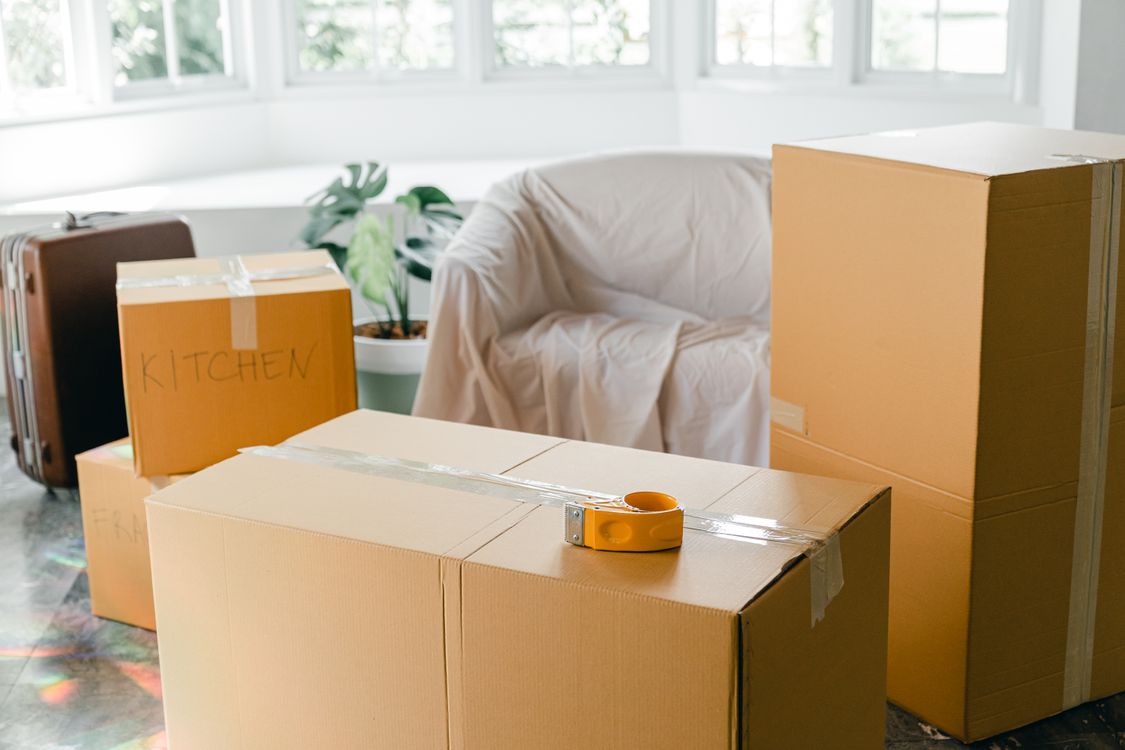
Gather the Right Boxes and Supplies
Good packing starts before you fill a single box. The right materials do most of the protective work.
1. Use new, sturdy boxes. Used grocery boxes are often weak, and they can carry pests or moisture. Double-walled corrugated boxes hold their shape when stacked and are worth the small cost for heavy or fragile loads.
2. Stick to a few standard sizes. Small boxes for heavy items like books and canned goods, medium boxes for kitchenware, and large boxes for light bulky things like bedding. Uniform sizes stack neatly and load into a truck without wasted space.
3. Buy quality packing tape. Cheap tape peels and lets box bottoms fail under weight. Run two strips across the bottom seam and press firmly. Reinforce the base of any box that will hold something heavy.
4. Stock up on cushioning. Packing paper, bubble wrap, and clean towels or blankets all work. Recycled newspaper can leave ink on dishes, so use plain paper for anything you eat off.
5. Keep an essentials box aside. Pack one clearly marked box with chargers, medications, a change of clothes, toiletries, and basic tools. This box travels with you, not in the truck, so your first night is easy.
Pack Room by Room
A room-by-room approach keeps related items together and prevents the chaos of a half-packed house.
6. Finish one room before starting the next. This makes labeling accurate and unpacking logical. It also lets you track your progress instead of leaving loose ends in every room.
7. Pack the least-used rooms first. Start with storage, the garage, and seasonal items weeks ahead. Leave the kitchen and bedrooms for last, since you use them until the final days.
8. Do not overload boxes. A box you cannot lift comfortably will strain your back and is more likely to split. Keep each box under about 40 pounds, and put heavy items in small boxes rather than filling a large one to the top.
9. Fill boxes completely. Empty space lets contents shift and lets boxes collapse when stacked. Top off partly full boxes with soft items like linens or crumpled paper so the lid closes flat.
If you would rather hand this stage to a crew, professional packing services are built for exactly this room-by-room process. On Time Moving Delivery offers packing alongside residential and long-distance moves across Hamilton and Ontario, which helps when your timeline is tight.
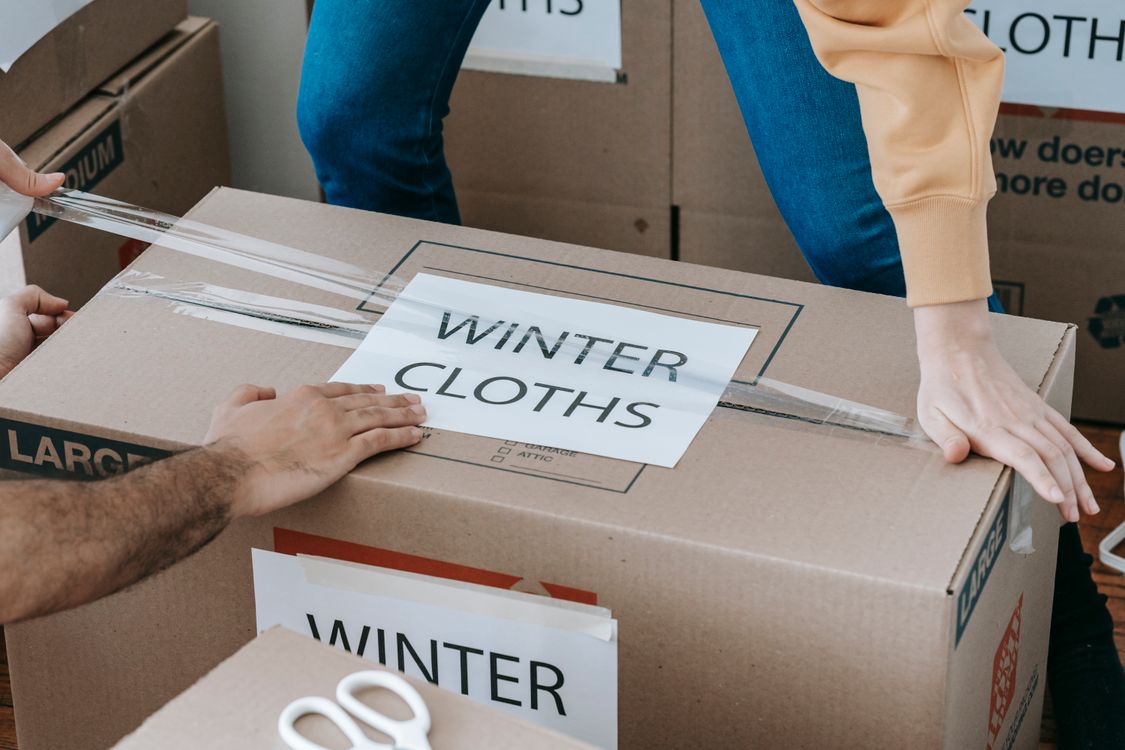
Label So Unpacking Is Fast
Labeling is where a small effort during packing pays off for days after the move.
10. Label the top and at least one side. Boxes get stacked, and a label only on the lid disappears from view. Marking a side means you can read it in a stack without lifting anything.
11. Write the room and contents, not just "misc." A label like "Kitchen, pots and small appliances" tells movers where to set the box down and tells you what is inside without opening it.
12. Number your boxes and keep a list. Give each box a number and note its contents on a running inventory. If a box goes missing, you know exactly what should be inside, which matters most for valuables and long-distance moves.
Color-coded tape or stickers by room add another quick visual cue. Assign one color per room, mark the box and the doorway of the destination room, and movers can place everything correctly without asking.
Protect Fragile and Valuable Items
Fragile pieces need individual attention, and a few habits prevent most breakages.
13. Wrap fragile items one at a time. Wrap each glass, plate, and figurine separately in packing paper or bubble wrap. Stand plates on their edges like records rather than stacking them flat, which resists pressure far better. Dish-pack boxes with dividers are designed for this.
14. Cushion the box on all sides. Line the bottom with padding, nest fragile items in the center, and fill the top and gaps so nothing touches the walls or moves when shaken. If you can hear items shift, add more filler.
15. Carry valuables and documents yourself. Jewelry, passports, financial records, and small electronics should ride with you rather than in the truck. Keep them in a bag you control the whole day.
Timing matters too. About 41% of moves happen between May and August, according to moveBuddha, and summer heat can warp candles, melt some plastics, and damage electronics left in a hot truck. Keep heat-sensitive items in your own climate-controlled vehicle when you move during peak season.

Common Packing Mistakes to Avoid
Most damage traces back to a handful of repeated errors. Watch for these:
- Overloading large boxes. Big boxes tempt you to keep filling them until they are too heavy to lift safely or strong enough to hold together.
- Leaving empty space. Gaps let contents rattle and let stacked boxes cave in. Fill to the top every time.
- Under-cushioning dishes and glassware. A single layer of paper is not enough. Wrap individually and pad the whole box.
- Skipping labels. Unlabeled boxes slow unpacking and lead to fragile items landing under heavy ones.
- Packing hazardous items. Most movers will not transport propane, paint, or aerosols. Set these aside and dispose of them properly before moving day.
- Waiting until the last minute. Rushed packing means overstuffed boxes and forgotten cushioning. Give yourself two to three weeks.
Choosing the right crew makes all of this easier. Our guide on how to choose the right movers in Hamilton walks through what to look for in a reliable team.
Your Next Step
Pick one low-stakes room, such as a closet or storage area, and pack it this week using tips 1 through 12. You will confirm you have enough boxes and cushioning, get a feel for your pace, and reduce the last-minute crunch that causes most breakages. If your move is large or on a short timeline, request a packing quote from a local mover so the fragile and heavy items are handled by people who do it every day.
Frequently asked questions
What supplies do I need to pack for a move?
Sturdy boxes in two or three sizes, quality packing tape, packing paper or bubble wrap, a marker, and stretch wrap. Specialty boxes for dishes and wardrobes help protect fragile and hanging items.
How far in advance should I start packing?
Start two to three weeks before moving day. Pack rarely used items first, such as seasonal clothing and books, and leave daily essentials for the final day or two.
How do you protect fragile items when moving?
Wrap each piece individually in packing paper, stand plates on their edge like records, fill every gap so nothing shifts, and clearly mark the box as fragile on the top and sides.
Should I pack myself or hire packing services?
Pack yourself to save money if you have time and few fragile items. For antiques, electronics, or a tight timeline, professional packing services reduce the risk of damage and the stress of moving day.
Pingback: Hamilton Moving Company: What Sets a Great One Apart - On Time Moving and Delivery
Pingback: Long-Distance Moving Guide: Ontario to Anywhere - On Time Moving and Delivery
Pingback: How Much Does a Move Cost in Ontario in 2026? - On Time Moving and Delivery
Pingback: How to Pack Fragile Items So Nothing Breaks - On Time Moving and Delivery